Chinese Restaurant Dining with Unexpected Flavor Pairings
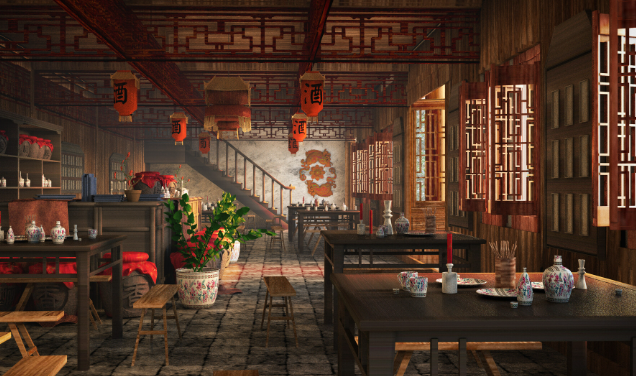
Chinese restaurant dining becomes especially interesting when familiar ingredients meet unexpected flavor pairings. Traditional Chinese cuisine www.newhongkongchineserestaurant.com offers a broad palette of savory sauces, fragrant aromatics, tangy seasonings, gentle sweetness, chili heat, fermented ingredients, and fresh herbs. These elements can create combinations that surprise diners without feeling disconnected from established culinary traditions. A crisp vegetable may pair with a rich fermented sauce, while succulent seafood can meet ginger, scallions, or subtle acidity. Sweet and savory flavors can also work together in roasted dishes, noodles, and stir-fries. Exploring these combinations gives diners another reason to look beyond predictable menu choices. Each dish can reveal how Chinese cooks use contrast, balance, texture, and aroma to create meals that remain exciting from the first bite through the final shared plate.
Sweet Meets Savory
Sweet and savory combinations appear throughout Chinese cooking and can create a satisfying balance. Roasted meats often demonstrate this relationship through seasonings that combine gentle sweetness with salty or savory depth. Char siu, for example, can develop a flavorful exterior through carefully balanced marinades and controlled roasting. Other dishes may combine sweet sauces with vegetables, tofu, or seafood. The sweetness does not need to dominate. Instead, it can soften stronger savory notes and create a rounded flavor. Diners who usually prefer strictly savory meals may find these combinations surprisingly appealing. Exploring dishes with subtle sweetness can reveal another side of Chinese restaurant cuisine without moving too far away from familiar ingredients.
Tangy Notes Brighten Rich Dishes
Acidity can transform the character of a rich dish. Vinegar appears in many Chinese preparations, adding brightness that cuts through heavy sauces and roasted ingredients. Tangy seasonings can work with noodles, dumplings, vegetables, meat, and seafood, creating contrast without overpowering the main components. A small amount of acidity can make a rich dish feel lighter and encourage another bite. Diners can also notice how different types of vinegar contribute varying levels of sharpness and depth. Pairing tangy dishes with richer selections across a shared table can create a more balanced meal. This contrast demonstrates why Chinese cooking often values harmony between opposing flavors.
Chili Meets Aromatic Ingredients
Chili becomes more complex when cooks pair it with fragrant ingredients. Garlic, ginger, scallions, sesame, and Sichuan peppercorns can add layers around the heat, creating a more sophisticated experience than simple spiciness. Sichuan dishes often demonstrate this approach particularly well, combining chili with a distinctive numbing sensation and aromatic seasonings. Diners can explore different levels of heat while paying attention to the flavors surrounding it. A spicy dish can also work beautifully beside mild rice, steamed vegetables, or delicate seafood. These pairings allow the heat to remain exciting without overwhelming the entire table.
Ginger Complements Fresh Seafood
Ginger provides warmth and fragrance that can complement delicate seafood without hiding its natural character. Steamed fish with ginger and scallions offers a classic example of how a few aromatic ingredients can enhance freshness. Shrimp and other seafood can also pair with ginger in stir-fries or lighter sauces. The result often feels clean yet flavorful, with the ginger providing gentle intensity. Diners who enjoy seafood can explore these preparations when they want something aromatic without excessive richness. The combination also demonstrates how Chinese cooking can create complexity through restraint rather than relying on numerous ingredients.
Fermented Flavors Add Complexity
Fermented ingredients can create some of the most distinctive flavor pairings in Chinese cuisine. Fermented bean pastes, black beans, preserved vegetables, and other traditional ingredients can provide savory, earthy, salty, or slightly tangy notes. Cooks can combine them with tofu, meat, seafood, noodles, and vegetables to create deeper flavor profiles. The intensity of fermentation often works best when balanced with fresh ingredients or gentle seasonings. Diners who have not explored these ingredients may initially find their aroma unfamiliar, but the complexity can become increasingly appealing. These pairings reveal how traditional preservation methods continue to influence modern restaurant menus.
Sesame Adds Nutty Depth
Sesame can provide a gentle nutty character that works across both savory and spicy dishes. Sesame seeds can add texture to vegetables and noodles, while sesame-based sauces can create a smoother and richer mouthfeel. The flavor pairs particularly well with chili, soy, garlic, and vinegar. A spicy noodle dish with sesame can therefore feel more rounded, while a vegetable preparation can gain additional depth. Diners can look for sesame in sauces, garnishes, and dressings when they want a flavor that adds richness without becoming overly heavy. Its versatility makes sesame an easy bridge between familiar dishes and more adventurous combinations.
Soy Sauce Meets Fresh Aromatics
Soy sauce provides savory depth, but its character can change dramatically when paired with fresh aromatics. Garlic, ginger, scallions, and chili can create different results even when the base seasoning remains the same. A simple stir-fry can therefore develop layers through the careful addition of aromatic ingredients. Light soy sauce can bring saltiness and depth, while other varieties may offer stronger color or richness. Diners can compare dishes that use similar ingredients but different aromatic combinations to understand how cooks build flavor. This exploration shows that unexpected pairings do not always require unusual ingredients. Familiar components can become surprisingly different through thoughtful combinations.
Crispy Textures Meet Soft Foods
Flavor pairings become more interesting when texture enters the equation. Crispy fried dumplings can contrast with soft fillings, while crunchy vegetables can accompany tender meat. Silky tofu can absorb a bold sauce, creating a different experience from crisp stir-fried ingredients. Chinese cooking often uses these contrasts intentionally, allowing several textures to appear within one dish or shared meal. Diners can pay attention to how texture affects their perception of seasoning. A crunchy surface may make a sauce feel more intense, while a soft ingredient can absorb and soften its character. This sensory contrast gives familiar flavors a fresh dimension.
Rich Sauces Need Fresh Balance
Rich sauces can deliver substantial flavor, but fresh ingredients can prevent them from becoming overwhelming. Crisp vegetables, herbs, steamed seafood, and lightly seasoned rice can provide contrast alongside heavily sauced meat or noodles. The balance allows diners to enjoy richness while keeping the overall meal varied. A table filled entirely with heavy dishes may quickly feel repetitive, whereas contrasting selections create a more dynamic progression. Chinese restaurant dining works especially well for this approach because shared plates allow diners to combine strong and delicate flavors according to their preferences.
Tea Creates a Gentle Contrast
Tea can provide a subtle counterpoint to bold food pairings. Jasmine tea brings floral notes, green tea offers freshness, while oolong and pu-erh provide deeper aromas. Sipping tea between dishes can refresh the palate after spicy sauces, fried foods, or rich roasted meats. The beverage also creates a natural pause during communal dining. Diners can return to another dish with a cleaner palate and notice its flavors more clearly. Tea therefore contributes more than hydration to the meal. It can help create balance between contrasting dishes while reinforcing the cultural character of Chinese restaurant dining.
Vegetables Welcome Bold Pairings
Vegetables can act as excellent foundations for unexpected combinations because their flavors often remain flexible. Eggplant can absorb spicy and fermented sauces, mushrooms can support savory seasonings, and leafy greens can pair with garlic or sesame. Chinese broccoli can receive aromatic sauces without losing its fresh character, while bean sprouts can introduce crispness to richer dishes. These preparations show how vegetables can carry strong flavors without becoming secondary elements. Diners who want to experiment without choosing unfamiliar proteins can start with vegetable dishes and explore new sauce combinations instead.
Dumplings Encourage Experimentation
Dumplings provide another opportunity to explore contrasting flavors. A delicate filling can pair with a sharp vinegar-based dipping sauce, while a richer filling can work with chili oil or sesame. Pan-fried dumplings introduce crisp textures that contrast with juicy interiors, creating another layer of variety. Diners can order several dipping options and discover how the same dumpling changes with each sauce. This simple experiment can reveal how acidity, heat, saltiness, and nuttiness influence one another. Because dumplings work well as shared food, everyone at the table can participate in the tasting experience.
Noodles Carry Multiple Flavor Layers
Noodles provide a broad canvas for combining ingredients with different characteristics. Savory sauces can meet chili oil, vinegar, sesame, garlic, scallions, or fermented seasonings. Toppings can add additional contrast through tender meat, crisp vegetables, mushrooms, or seafood. The noodle texture itself influences how these flavors come together. Thick noodles can carry substantial sauces, while thinner varieties may work better with lighter broths and aromatics. Diners can explore several preparations to identify combinations that feel unexpected but balanced. A familiar noodle dish can quickly become a new experience when only one or two flavor elements change.
Shared Plates Make Discovery Easier
Communal dining makes unexpected flavor pairings easier to explore because diners can combine several dishes across the table. A spicy noodle dish can sit beside steamed fish, while roasted meat shares space with crisp vegetables and dumplings. Each bite can create a different combination depending on what diners choose to eat together. This format encourages experimentation without requiring everyone to order unfamiliar dishes individually. It also creates conversation as guests compare their favorite pairings and discover unexpected combinations. The shared table turns flavor exploration into part of the social experience rather than treating it as a solitary experiment.
Familiar Ingredients Can Feel New
Unexpected flavor pairings do not always require rare ingredients or unusual recipes. Chinese cooking can transform familiar foods simply by changing the seasonings, cooking methods, or accompanying components. Tofu can move from mild to intensely savory, vegetables can become spicy or tangy, and noodles can shift from delicate to richly aromatic. These changes demonstrate the flexibility of the cuisine and encourage diners to approach familiar ingredients with greater curiosity. Trying a new sauce or preparation may be enough to create an entirely different impression. That flexibility keeps Chinese restaurant dining fresh even when diners already recognize many items on the menu.
Balance Makes Surprises Work
The most enjoyable unexpected pairings usually maintain a sense of balance. Heat can meet sweetness, richness can meet acidity, and bold sauces can work beside fresh ingredients. Texture adds another dimension by placing crisp foods beside tender or silky selections. These contrasts create excitement while keeping the meal coherent. Chinese culinary traditions often rely on this sense of harmony, allowing different elements to complement rather than compete with one another. Diners can use the same principle when ordering. Choosing dishes with different flavor strengths and textures creates a table where every selection has room to stand out.
Discover New Combinations Every Visit
Chinese restaurant dining offers endless opportunities to discover unexpected flavor pairings through regional recipes, traditional ingredients, and creative combinations. Sweet and savory flavors can complement one another, vinegar can brighten rich dishes, chili can gain complexity from aromatics, and fermented ingredients can deepen simple preparations. Sesame, ginger, soy sauce, vegetables, dumplings, noodles, and seafood each provide additional possibilities. Shared dining makes experimentation easier because several dishes can interact across the table. For curious diners, this creates a restaurant experience that never feels completely predictable. Even familiar foods can reveal something new when cooks combine them with a different sauce, texture, or aromatic element.